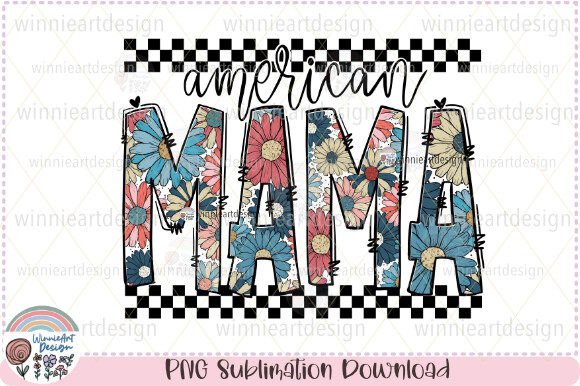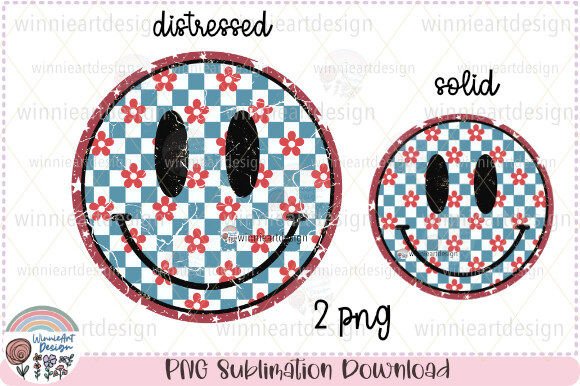
Floral 4th of July Smiley Retro America Review
As a designer who spends more time staring at stitch density charts and fabric swatches than scrolling through social media, I approach every new design file with a healthy dose of skepticism. We have all seen the "perfect" digital mockup that falls apart the moment it hits the hoop. Today, I am breaking down Floral 4th of July Smiley Retro America, a graphic that promises a specific blend of nostalgic Americana and soft floral aesthetics. My goal here is not just to tell you what it looks like on a screen, but to evaluate its viability as a machine embroidery design for real-world projects, custom apparel, and small business merchandise.
The First Impression: Mood and Visual Personality
When you first load up the files for Floral 4th of July Smiley Retro America, the immediate takeaway is its distinct retro vibe. The design leans heavily into mid-century American nostalgia, combining the boldness of patriotic themes with the softening influence of floral elements. This is a crucial distinction. A standard 4th of July design can often feel aggressive or overly loud, relying solely on stars and stripes. However, this particular embroidery project introduces a smiley face motif wrapped in florals, which instantly shifts the tone from "political statement" to "cheerful celebration."
For an Etsy seller or craft business owner, this mood is gold. It appeals to buyers looking for something festive but not tacky. The visual personality suggests a product that feels handmade, warm, and approachable. It works exceptionally well for holiday gifts, boutique branding, and personalized products where the recipient wants to show their spirit without screaming for attention. The layout feels balanced, suggesting that when digitized correctly, the eye will naturally travel across the composition without getting lost in clutter.
Real-World Application: Where This Design Shines
I put myself in the shoes of a maker preparing inventory for a summer craft fair. Where would Floral 4th of July Smiley Retro America fit best? My analysis points strongly toward wearable accessories and home goods rather than high-stress garments.
First, consider the tote bag design angle. Embroidering this onto a sturdy canvas tote creates a perfect balance. The floral details soften the utilitarian nature of the bag, while the retro smiley adds character. It is a classic handmade product that customers love because it is functional yet decorative. Similarly, for sweatshirt embroidery, placing this design on the front left chest or centered on the back of a cream-colored hoodie offers a premium look. It elevates a basic garment into a statement piece suitable for fall festivals or casual summer outings.
Another strong candidate is the embroidered patch. If you are creating detachable patches for denim jackets or backpacks, this design’s self-contained nature makes it ideal. It stands alone without needing surrounding text, allowing the intricate floral patterns to shine. For aprons and kitchen towels, the theme fits perfectly with summer hosting. Imagine gifting a set of embroidered tea towels with this motif—it bridges the gap between holiday embroidery and everyday utility.
The Technical Reality: Stitch Density and Detail
This is where many designers get tripped up. While the source file is described as a high-resolution digital embroidery file (specifically noted as PNG sublimation graphics), the transition from pixel art to thread is where the magic—and the risk—lies. The description notes that the package contains PNG files at 300 dpi, which is excellent for reference, but it explicitly states these are NOT SVG files. This means if you intend to use vector editing software to adjust paths before digitizing, you cannot do so directly. You must trace or manually digitize based on these raster images.
From a stitching perspective, the success of Floral 4th of July Smiley Retro America depends entirely on how the stitch density is managed. Floral elements often require fine satin stitches or detailed fill stitches to look crisp. If the digitizer pushes too much thread into a small area, the fabric will pucker, ruining the smooth lines of the smiley face. Conversely, if the stitch count is too low, the floral petals may look sparse and cheap. The reviewer’s advice here is to scrutinize the running stitch outlines and ensure the satin stitch borders are tight enough to cover the base fabric but loose enough to allow for movement.
Furthermore, consider the thread colors. A retro palette usually involves muted reds, creams, and perhaps sage greens or dusty blues. These colors can be tricky on certain fabrics. On a white tee, they pop beautifully. On a light gray heather, they might look muddy. Always test your thread colors against your actual fabric stock before committing to a large production run.
Where to Use Caution: Fabric and Hoop Limitations
No design is universal, and Floral 4th of July Smiley Retro America has specific constraints that every small shop product creator must respect.
- Small Hoop Sizes: If you are attempting to digitize this for a very small hoop (under 4x4 inches), you risk losing the nuance of the floral details. The smiley face might become indistinguishable from the background flowers. Stick to medium to large hoops to preserve the integrity of the design.
- Textured and Stretchy Fabrics: Avoid using this design on heavy corduroy, terry cloth, or highly stretchy jersey knits without proper stabilization. The fine lines of the retro aesthetic require a stable surface. On stretchy fabrics, the tension changes during wear, which can cause the embroidery to distort over time.
- Dense Stitch Areas: Be wary of areas where the floral pattern overlaps significantly. High-density fill stitch areas can become stiff and uncomfortable, especially on baby clothes or lightweight tees. For baby embroidery, prioritize comfort by reducing the density or opting for a simpler applique version.
- Curved Surfaces: While caps are popular, applying a complex floral design to a curved brim or crown can be challenging unless you have advanced machine capabilities. The design may warp around the curve, distorting the symmetry of the smiley face.
Practical Designer Notes for Execution
To ensure Floral 4th of July Smiley Retro America translates well from screen to stitch, follow these practical steps:
- Test on Scrap Fabric: Never go straight to your final product. Run a test stitch on the exact fabric you plan to sell. This reveals issues with puckering, thread breakage, or color mismatch early.
- Check Black and White Mockups: Convert the design to grayscale to check contrast. If the smiley face blends into the floral background in black and white, it will likely get lost in color as well. Ensure there is sufficient visual separation between the focal point and the decorative elements.
- Use Proper Stabilizer: The choice of stabilizer is critical. For woven fabrics, a cut-away stabilizer provides lasting support. For knits, a tear-away might suffice for lighter designs, but given the detail level, a wash-away or cut-away hybrid is safer to prevent shifting.
- Review Licensing: Before listing this as a commercial item, verify the licensing terms. Since the source is a graphics file intended for sublimation, ensure you have the right to digitize and sell the finished embroidered goods. Many digital assets have strict rules regarding commercial use.
- Inspect Small Details: Zoom in on the original PNG. Are there tiny gaps or thin lines that might not render well in thread? Simplify these details during the digitization process to improve durability and clarity.
Final Verdict
Floral 4th of July Smiley Retro America is a versatile and charming design asset that bridges the gap between festive patriotism and timeless style. It is not just another generic holiday graphic; it has a distinct personality that resonates with modern consumers. For the creative entrepreneur willing to invest time in proper digitization and fabric selection, this design offers high perceived value. It works beautifully for personalized gifts, custom apparel, and printable mockups that showcase craftsmanship.
However, success lies in the details. Respect the hoop size, choose the right fabric texture, and prioritize stitch quality over speed. When executed correctly, this design transforms from a simple image into a cherished finished product that customers will wear and display with pride. It is a solid addition to any embroidery file library, provided you approach it with the technical diligence it deserves.