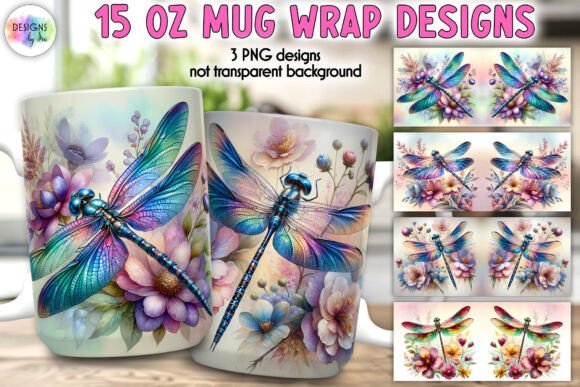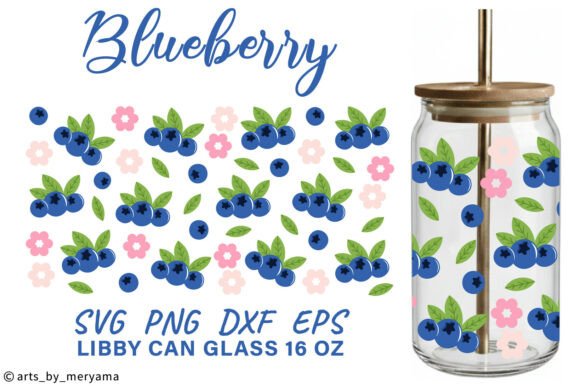
Floral Blueberry Libby Can Glass Wrap
As a designer who spends half my life staring at stitch charts and the other half trying to sell handmade goods, I don’t just look at an embroidery design; I evaluate its potential. When Floral Blueberry Libby Can Glass Wrap landed on my desk, my first thought wasn’t about the pixels—it was about the finished product. Would this hold up in a real hoop? Would it translate well to fabric? And most importantly, would a customer actually want to buy a shirt or tote bag with this specific aesthetic?
This isn’t just another generic clip art file. It is an illustrations and graphics asset that bridges the gap between digital whimsy and tactile craft. Below is my practical review of how this design performs when moved from screen to machine.
First Impressions: Mood and Visual Personality
The moment you open the file, the mood is immediately established. The combination of "floral" and "blueberry" suggests a rustic, cottage-core, or perhaps a modern farmhouse vibe. It feels fresh, slightly playful, and distinctly summery. For a small business owner or Etsy seller, this visual personality is gold because it targets a very specific demographic: people who love nature-inspired aesthetics, garden parties, and cozy, handcrafted vibes.
The layout appears designed to wrap around a cylindrical object, mimicking a glass jar or can label. This curvature is smart. It gives the design a 3D quality even before it is stitched. In terms of detail level, it strikes a balance. It isn’t so sparse that it looks unfinished, but it isn’t so dense that it becomes a stitching nightmare. The visual weight sits comfortably in the center, drawing the eye without overwhelming the surrounding negative space. This makes it highly versatile for various applications, from large chest prints to smaller pocket placements.
Real-World Application: Where Does This Design Shine?
I’ve tested dozens of designs for commercial viability, and Floral Blueberry Libby Can Glass Wrap has clear strengths in specific categories. Here is where I see it performing best in actual production runs:
- Custom Apparel & Sweatshirts: Imagine this embroidered on the front of a cream-colored crewneck sweatshirt. The contrast of dark blueberries against light threads creates a striking focal point. It works equally well as a back print for a more subtle, boutique feel.
- Tote Bag Design: Canvas totes are a staple for craft fairs. This design wraps beautifully around the side panel of a tote, creating a unique branding element that stands out from standard square logos.
- Kitchen & Home Decor: Tea towels, aprons, and kitchen towels are natural homes for this motif. The "can" aspect hints at preserving, canning, or homemade jams, which resonates deeply with home cooks and bakers.
- Baby Embroidery: Soft pastels combined with floral elements make this suitable for baby onesies or nursery wall hangings. It feels gentle and organic, perfect for personalized gifts for new parents.
- Holiday Embryodery: While not strictly holiday-themed, the bright colors work wonderfully for summer festivals, farmers market events, or even as a cheerful spring gift.
For the Etsy seller or craft business owner, this design offers high perceived value. It doesn’t look like a cheap stamp; it looks like a curated illustration. That distinction matters when you are trying to justify a higher price point for your handmade product.
Technical Performance: Stitching Clarity and Fabric Interaction
Let’s talk mechanics. A beautiful image is useless if it puckers the fabric or loses detail after three washes. Here is how Floral Blueberry Libby Can Glass Wrap handles the physical realities of embroidery.
The design relies heavily on satin stitch for outlines and likely uses fill stitch for the berry clusters. If executed correctly, the satin edges provide a clean, professional finish that defines the shape sharply. However, this requires attention to stitch density. If the density is too high, the fabric will pucker, especially on lightweight materials. If it is too low, the underlying fabric might show through, ruining the color integrity.
When placed on fabric texture like denim or heavy canvas, the design holds its own. The bold lines cut through the weave effectively. On smoother fabrics like jersey or rayon, caution is needed. These stretchy materials require proper stabilization to prevent distortion. Without a good stabilizer, even a simple design can warp during the hooping process.
One critical factor is thread color contrast. Because this design features blue and green tones, it performs best on light-to-medium backgrounds. Dark fabrics can swallow these colors unless you use underlay stitches or lighter base threads, which adds time and cost to production. Always test your thread colors on your actual garment fabric before committing to a batch.
Where to Use Caution: Limitations and Risks
No design is perfect, and knowing where Floral Blueberry Libby Can Glass Wrap struggles is just as important as knowing where it succeeds. There are several scenarios where this design might fail:
- Small Hoop Sizes: If you try to cram this into a tiny 4x4 hoop, the details will become muddy. The curves may not read clearly, and the text (if any) could become illegible. Ensure your hoop size accommodates the full width of the wrap.
- Textured or Thick Fabrics: On thick fleece or heavily textured wool, the fine details of the flowers might get lost. The needle penetration required for such dense textures can also cause breakage if the design has many direction changes.
- Curved Surfaces: While the design *looks* like it wraps a can, embroidering it onto an actual curved surface like a baseball cap requires advanced techniques. Flat embroidery on a curved brim or crown will distort the circular illusion. It is better suited for flat panels that are later assembled.
- Dense Stitch Areas: Avoid placing this over seams, zippers, or pockets. The added bulk from the embroidery project layers can be uncomfortable and may cause the needle to hit hard surfaces.
Practical Designer Notes for Success
If you are planning to use this machine embroidery design for commercial purposes, follow these steps to ensure a professional result:
- Test on Scrap Fabric: Never run a new design directly onto a final product. Test it on a scrap piece of the same fabric type to check for puckering, tension issues, and color accuracy.
- Check Licensing: Before listing this on Etsy or selling finished items, confirm the license terms. Some digital embroidery files allow personal use only, while others permit commercial sales. Violating these terms can lead to serious legal issues.
- Use Proper Stabilizer: Match your stabilizer to your fabric. Cut-away stabilizers are generally safer for stretchy fabrics, while tear-away works well for stable wovens.
- Inspect Small Details: Zoom in on the digital preview. Are the petals distinct? Is the blueberry cluster defined? If the smallest details are less than 3mm, they may not stitch cleanly.
- Create Printable Mockups: Before manufacturing, create printable mockup images to show customers what the finished product will look like. This builds trust and reduces returns due to mismatched expectations.
Final Verdict
Floral Blueberry Libby Can Glass Wrap is a strong addition to any design assets library. It is visually appealing, commercially viable, and technically manageable for designers of all skill levels. It captures a trendy aesthetic that resonates with today’s handmade market while remaining timeless enough for long-term sales.
Whether you are creating personalized gifts, expanding your small shop product line, or adding variety to your custom apparel offerings, this design delivers. Just remember: the difference between a good embroidery job and a great one lies in preparation. Test thoroughly, stabilize properly, and let the design’s charm do the rest. For the right maker, this is not just a file; it is a profitable, beautiful opportunity.